Access problems Eel Pie Island narrow lanes gardeners tips
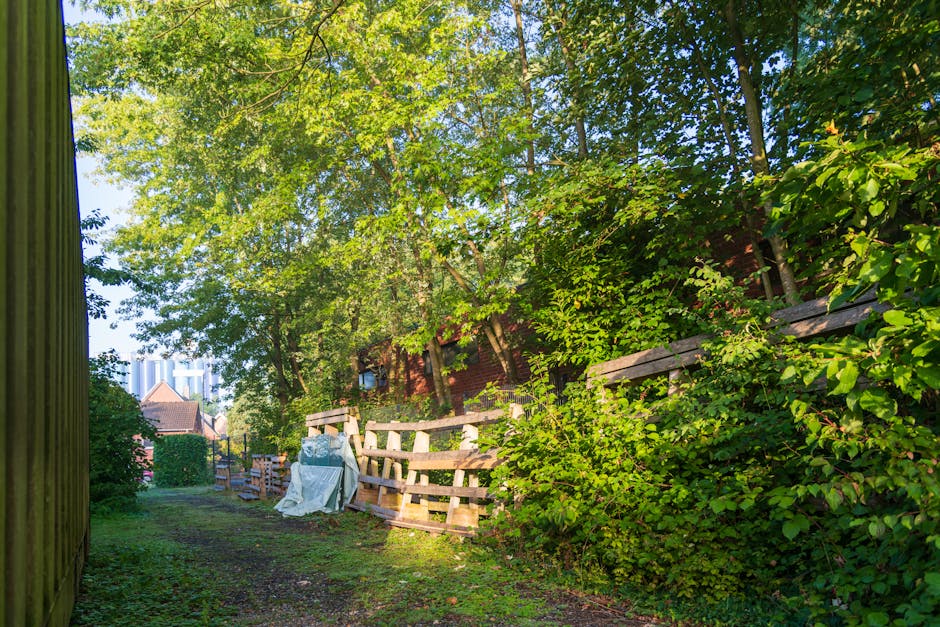
If you live or work on Eel Pie Island, you already know the layout changes everything. Narrow lanes, limited turning space, awkward parking, and the simple fact that a small van can feel too big on some approaches all shape how garden work gets done. That is the heart of Access problems Eel Pie Island narrow lanes gardeners tips: making outdoor maintenance possible without turning a simple job into a logistics headache.
Truth be told, most gardening issues on compact island streets are not about the plants first. They are about getting people, tools, waste bags, and bulky materials in and out safely. A hedge cut, lawn visit, or clearance job can go smoothly one week and become a squeeze the next if access has not been planned. This guide walks through the practical side of working in tight lanes, what gardeners should prepare for, where the risks usually sit, and how to make the whole process more efficient and less stressful.
We will keep it grounded and useful. No fluff. Just the kind of advice that helps when a wheelbarrow meets a narrow gate and suddenly everyone has a decision to make.
Why Access problems Eel Pie Island narrow lanes gardeners tips Matters
Eel Pie Island has a character all its own, and that includes the access. Narrow lanes are not just a nuisance; they affect timing, labour, equipment choice, waste removal, and the overall cost of garden work. If access is tight, a job that would normally take one visit may need careful staging, more hand-carrying, or a smaller vehicle setup.
For gardeners, the biggest issue is usually not the garden itself but the route to it. Can a van stop without blocking others? Can materials be unloaded without damaging verges, walls, or paving? Is there room to turn? Is there a safe place to stand while loading hedge cuttings or bags of soil? These are ordinary questions, but on a small island lane they become the difference between an efficient visit and a frustrating one.
There is also a neighbourly side to this. On compact residential lanes, one poorly planned arrival can affect several households. A blocked entrance, a reversed vehicle in the wrong place, or garden waste left too long can create tension very quickly. A bit of planning keeps things calm.
Key takeaway: access is not a side issue. On Eel Pie Island, it is part of the job design. If you get access right, the rest of the gardening work becomes simpler, safer, and usually more cost-effective.
For readers comparing service options, it can help to start with the broader picture of gardening services and then narrow down the exact work needed, whether that is routine upkeep, a one-off clearance, or heavier garden reshaping.
How Access problems Eel Pie Island narrow lanes gardeners tips Works
The basic process is straightforward, although the details matter. First comes the access check. Then comes the job plan. After that, the gardener chooses the right equipment, vehicle size, and sequence of work so the visit can happen without avoidable delays.
1. Assess the approach before the visit
Before any practical work starts, the route should be considered in real terms: lane width, parked cars, any pinch points, low branches, shared entrances, and whether a van can unload close enough to the property. A quick phone conversation is often enough to surface the usual pain points.
2. Match the vehicle and kit to the site
Not every job needs a large van. In fact, on narrow lanes it can be better to use a smaller vehicle, or split delivery and collection into stages. Hand tools, foldable carts, compact mowers, and lightweight clearing bags often make more sense than oversized equipment that looks impressive but becomes awkward in practice.
3. Plan the working sequence
When access is limited, order matters. For example, a hedge trimming job may need cuttings collected in smaller batches rather than waiting until the end. A clearance job may work best if waste is bagged as you go. That reduces clutter and makes movement easier in a tight space.
4. Build in loading and unloading time
On a straightforward suburban street, loading can be routine. On Eel Pie Island, it can require patience. It is wise to allow extra time for parking checks, short carries, and careful movement of heavier items like bags of compost, timber offcuts, or wet cuttings. Wet material is heavier than it looks. Anyone who has lifted a soggy sack of lawn waste at 4:30 on a drizzly afternoon knows the feeling.
5. Keep communication clear
If access is shared, restricted, or time-sensitive, clear communication avoids confusion. A gardener should know if someone needs the driveway clear, if a gate is locked, or if there is a narrow window for vehicle access. The customer should know what to expect and when.
Where heavier work is involved, it can also make sense to review related services such as garden clearance, lawn mowing, or hedge trimming so the visit is planned around the actual access conditions rather than assumed ones.
Key Benefits and Practical Advantages
Good access planning delivers benefits that go well beyond convenience. In tight lanes, the right approach protects property, saves time, and can reduce the number of visits needed.
- Fewer delays: the crew arrives with the right setup the first time.
- Lower risk of damage: less bumping of walls, gates, edging, and paving.
- Cleaner work areas: material is removed in manageable stages instead of piling up.
- Better neighbour relations: less obstruction and fewer awkward moments in shared lanes.
- More predictable costs: a clearer access picture helps avoid surprise extra time.
- Safer manual handling: lighter loads and shorter carries reduce strain.
There is a quieter advantage too. When access is organised, everyone relaxes. The gardener works more confidently. The customer does not have to keep apologising for the lane. The job just feels more professional. And honestly, that matters.
For many households, this approach is most useful when paired with regular upkeep through garden maintenance, because smaller, more frequent visits are often easier to fit into narrow-lane logistics than large seasonal tidy-ups.
Who This Is For and When It Makes Sense
This topic matters to anyone whose garden is served by restricted access, but a few groups benefit especially.
Homeowners on narrow residential lanes
If your frontage is tight, you probably already know the drill: find the gap, avoid blocking the lane, carry what you can, and hope the weather is not working against you. This is the classic scenario for access-aware gardening.
Landlords and property managers
Let's face it, if you are managing more than one property, access is easier to overlook than it should be. But one poorly timed visit can create complaints, especially where tenants, neighbours, and contractors all share the same approach.
Gardeners and landscapers
Anyone providing services in compact or island-like environments needs a repeatable system. A garden may be small, but the access complexity can be surprisingly high. This includes jobs involving landscaping, landscape gardening, or more structural work where materials and tools are bulkier.
People planning one-off improvements
If you are thinking about a new fence, a patio refresh, or a bigger tidy-up, access should be part of the plan from day one. It can influence design choices, material selection, and delivery timing. A beautiful plan that cannot be delivered through the gate is not much use, is it?
This is also the stage where more specialised work may come into play, such as fencing, patio cleaning, or even tree surgery if overhead growth is contributing to restricted movement.
Step-by-Step Guidance
Here is a practical way to handle access problems without overcomplicating things.
- Measure the practical access, not just the garden. Note gate width, lane width, turning space, steps, slopes, and any fixed obstacles.
- Photograph key pinch points. A couple of clear photos often explain more than a long message ever could.
- Decide what needs vehicle access and what can be carried. Heavy soil, timber, or waste may need a closer drop-off point, while hand tools can usually be carried in.
- Choose a work order that reduces backtracking. For example, clear debris as you prune rather than moving it twice.
- Confirm where waste will be staged. In narrow lanes, temporary staging matters. Keep it tidy and away from entrances.
- Agree arrival windows. Short, specific time windows work better than vague promises when parking space is limited.
- Keep an eye on weather. Wet ground, slippery paths, and heavier clippings can change the whole feel of the job.
- Review after the first visit. Small adjustments often make the next appointment much smoother.
A useful habit is to treat the first visit as a rehearsal for future work. If the van had to park a bit farther away than expected, note it. If a side gate proved awkward with tools in hand, note that too. Small notes save a lot of faff later.
Expert Tips for Better Results
These are the little things that make narrow-lane work noticeably easier.
Use lighter, modular kit where possible
Compact tools and smaller containers are easier to move through tight spaces. That does not mean sacrificing quality. It just means avoiding unnecessary bulk. A well-chosen hand tool can be more practical than a large machine that barely fits through the gate.
Keep waste moving out, not building up
In confined spaces, piles become obstacles fast. Regularly removing clippings and branches keeps the area safer and stops the job from feeling cluttered.
Work from the furthest point back to the exit
This old bit of site logic is still useful. You reduce the chance of carrying debris back across finished areas. It sounds simple because it is. Simple usually wins.
Protect shared surfaces
Slippery or delicate paving, painted gates, and narrow edging can get damaged quickly if materials are dragged across them. Use lifting where you can, and take the slower route if it saves the surface.
Think in stages for bigger jobs
If a garden is overgrown, split the work into clear stages: access clearing, cutback, waste removal, then detail finishing. This works especially well where garden clearance is part of the job.
Be realistic about manpower
A two-person team can be far more effective than one person trying to do everything while also watching the lane, the gate, and the waste stack. It is not about being dramatic. It is about keeping the work smooth and safe.
Expert summary: in tight-access locations, the best outcome usually comes from smaller loads, cleaner sequencing, and fewer surprises. The goal is not to force a standard garden routine onto a difficult site. The goal is to shape the routine around the site.
Common Mistakes to Avoid
Most access problems are predictable. That is actually good news, because predictable problems can be avoided.
- Assuming a van can fit because a car can. Not the same thing at all.
- Not checking gate width properly. A few centimetres matter more than people expect.
- Leaving waste too long in the work area. It quickly becomes a trip hazard.
- Overloading one visit. Trying to do everything in one go can backfire in narrow lanes.
- Ignoring neighbours and shared access. Tact is useful. Always has been.
- Choosing oversized equipment for convenience. Big kit can slow everything down.
- Failing to factor in weather or surface conditions. Wet lanes and steep paths change the risk picture.
A common one is underestimating the final loading phase. The garden looks done, but then you are standing there with seven bags of cuttings, a rake, a tarp, and nowhere obvious to set them down. Been there. Nobody enjoys it.
Tools, Resources and Recommendations
The right tools do not need to be fancy. They need to be practical for restricted access.
Helpful tools for narrow-lane garden work
- compact pruners and secateurs
- folding or lightweight wheelbarrows
- smaller debris sacks
- tarpaulins for controlled carrying
- short-handled rakes and brooms for tight corners
- handheld hedge tools for finishing work
- protective gloves with a decent grip
Useful service pages to consider
Different jobs call for different approaches. If the issue is mainly mowing and routine upkeep, look at lawn care or lawn mowing. If the garden is messy after a long gap, garden clearance may be the sensible first step. If trees are creating access or light issues, tree lopping and removal or tree surgery may be more relevant.
Good admin still matters
On the business side, clear terms, sensible quotes, and transparent payment handling make a big difference. If you are comparing providers, it helps to read pricing and quotes, along with the site's terms and conditions and payment and security information.
For customer confidence, it is also worth checking the company's health and safety policy, insurance and safety details, and accessibility statement. Those pages do not fix a narrow lane, obviously, but they do show how seriously the business takes safe and inclusive working.
Law, Compliance, Standards, or Best Practice
For this topic, the most relevant angle is best practice rather than one single law. Gardeners working in restricted-access areas should think carefully about manual handling, safe vehicle movement, and the duty to avoid damage or avoidable risk. In the UK, that usually means applying common-sense site safety, keeping pathways clear, and working within the business's own insurance and risk procedures.
In practical terms, that means:
- not blocking shared access for longer than necessary
- avoiding unsafe lifting practices
- making sure tools and waste do not create trip hazards
- checking whether a task needs more than one person
- using suitable protective equipment for the work being done
If a site is especially tight, a cautious contractor will often prefer to pause and rethink rather than force a poor setup. That is not hesitation. That is professionalism. And in a place like Eel Pie Island, professionalism is often what keeps a job from becoming awkward halfway through.
For customers, a good indicator is whether the provider asks about access before quoting. If they do, that is usually a positive sign. If they do not, well, that tells you something too.
Options, Methods, or Comparison Table
When access is limited, there is usually more than one way to get the job done. The best option depends on the size of the garden, the type of task, and how tight the lane really is.
| Method | Best for | Pros | Trade-offs |
|---|---|---|---|
| Small vehicle plus hand carry | Routine maintenance and light clearance | Flexible, less obstructive, easier to park | More manual handling, slower for heavy loads |
| Staged delivery and collection | Mulch, timber, larger jobs | Reduces congestion, keeps access open | Needs planning and clear timing |
| Fully hand-carried approach | Very tight lanes or shared paths | Low impact, careful around neighbours | Time-consuming and physically demanding |
| Split visits | Overgrown gardens or multi-part projects | Better control, easier waste management | May take longer to complete overall |
For many island gardens, the staged approach is the sweet spot. It keeps the lane usable and gives the gardener room to work without rushing. If the job is mostly upkeep, though, a smaller, more frequent visit can beat a bigger, more disruptive one every time.
Case Study or Real-World Example
Imagine a small rear garden reached through a narrow lane and a side gate that barely leaves comfortable shoulder room. The customer wants a hedge cut, a lawn tidy, and a pile of old pots cleared away. On paper, nothing too dramatic. In reality, the access is the whole story.
Here is how a sensible plan might unfold. The gardener arrives with a smaller vehicle, parks without blocking the lane, and unloads only what is needed first: hand tools, sacks, and a lightweight cutter. The hedge is reduced in sections, with clippings bagged as the work progresses so the passage stays open. The old pots are moved in manageable batches rather than all at once, which avoids clutter near the gate. The lawn is finished last, once the heavier moving tasks are done, so the final appearance is clean and calm.
It is not glamorous. But it works. And that is the point.
What changes the outcome most is not just the tools. It is the order of operations and the respect for the space. A well-run visit in a tight lane often feels almost invisible from the outside, which is a compliment, really. Nobody notices the chaos that never happened.
Practical Checklist
Use this before a visit or before requesting a quote.
- Confirm the exact access route to the garden
- Measure gate width and note any tight bends
- Check for parking restrictions or shared driveway issues
- Identify any low branches, steps, or uneven paving
- Decide whether materials need to be carried by hand
- Photograph problem spots for clarity
- Tell the gardener about neighbour or timing concerns
- Ask how waste will be removed from site
- Check whether the job suits regular maintenance or a one-off clearance
- Review safety, insurance, and terms before booking
If you can tick most of those items off, you are already ahead of the game. That is often enough to turn a stressful access challenge into a manageable visit.
Get a free quote today and see how much you can save.
Conclusion
Access problems on Eel Pie Island are not unusual, and they are certainly not a sign that garden work is impossible. They simply mean the job needs a better plan. Narrow lanes reward preparation, good communication, and realistic expectations. Once those pieces are in place, most garden tasks become much easier to handle.
The main lesson is simple: do not treat access as an afterthought. Whether you need ongoing garden care, a heavier clearance, or a more specialised service, the best result usually comes from matching the work to the space rather than forcing the space to fit the work. Small adjustments can save time, reduce disruption, and keep everyone on speaking terms, which is worth a lot in a close-knit place.
If your garden feels awkward to reach, that does not mean it is awkward to manage. It just needs the right approach. And once that is in place, things tend to settle down nicely.
Frequently Asked Questions
How do gardeners handle narrow lane access on Eel Pie Island?
They usually plan the visit around the site rather than the other way around. That means using a smaller vehicle where needed, carrying tools in by hand, and splitting the work into logical stages so the lane stays usable.
What information should I give before booking garden work?
Give the gardener the access route, gate width if you know it, parking limitations, shared entrance details, and any awkward corners or steps. A couple of photos can be very helpful too.
Does narrow access make gardening more expensive?
It can, depending on the job. Extra time, more manual handling, and multiple trips may all affect the quote. That said, good planning often reduces avoidable costs.
What jobs are easiest to manage in tight lanes?
Regular maintenance jobs like mowing, light pruning, and smaller tidy-ups are usually easier than large clearances or deliveries of bulky materials.
What is the biggest mistake people make with access issues?
Assuming access will be fine because the garden itself looks small and simple. The approach, parking, and loading space can be the real challenge.
Can one person handle a garden clearance in a narrow lane?
Sometimes, yes, but it depends on the amount of waste and how far it has to be carried. For heavier or more awkward jobs, a two-person team is often more sensible.
Should I choose regular maintenance instead of occasional big jobs?
Usually, yes, if access is difficult. Smaller, regular visits are often easier to arrange and less disruptive than a large seasonal tidy-up.
How do I know if a gardener is used to restricted access sites?
They will ask practical questions before quoting. If they mention vehicle size, waste staging, carrying distance, or timing windows, that is a good sign.
What if the lane is blocked on the day of the visit?
It is best to let the gardener know as soon as possible. A short delay may be enough, or the visit may need to be rescheduled if the access problem cannot be worked around safely.
Are there special safety concerns in narrow lanes?
Yes. Shared access, manual handling, slippery surfaces, and the risk of blocking neighbours all need attention. Good contractors treat those issues as part of the job, not as an afterthought.
Can access problems affect the type of landscaping I choose?
Absolutely. Bulky materials, large timber, and heavy stone can be harder to move. In some cases, simpler designs or staged installation are the more practical option.
Where should I start if my garden is very overgrown and hard to reach?
Start with a proper access check and a realistic first visit. A focused clearance or cut-back can make later maintenance much easier, especially when the route is tight and the garden has become difficult to move through.
For more about how the business works and the standards it follows, see the site's about us page, and if you need to discuss a job directly, the contact us page is the natural next step.