Health and Safety Policy for Gardeners
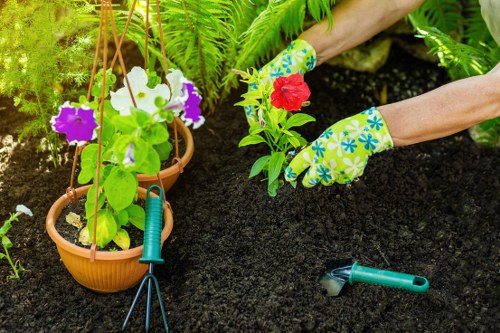 This health and safety policy for gardeners sets out the standards expected when carrying out gardening work in a safe, responsible, and consistent way. It applies to all routine maintenance, planting, pruning, clearance, and seasonal tasks, with a clear focus on preventing harm to workers, clients, visitors, and anyone nearby. The purpose of this policy is to promote safe working practices, reduce avoidable risks, and support a professional approach to every site.
Gardening involves a wide range of activities, many of which can present hazards if not managed carefully. These may include the use of hand tools, powered equipment, sharp implements, manual handling, slips, trips, uneven ground, adverse weather, noise, dust, and exposure to irritant plants or substances. A good gardeners’ safety policy recognises these risks and requires them to be assessed before work begins. All tasks must be planned so that work can be completed efficiently without compromising wellbeing.
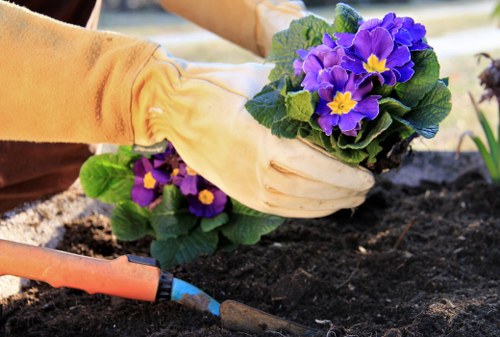 Everyone involved in garden maintenance must take personal responsibility for safe conduct. This means using equipment properly, wearing suitable protective clothing, keeping work areas tidy, and reporting defects or hazards without delay. Supervision should ensure that safe methods are followed, and that workers understand the correct use of tools, chemicals, and machinery. Where a task cannot be completed safely, it must be paused until the risk is controlled.
Risk assessment is a central part of this policy. Before any job starts, the site should be checked for hazards such as broken paving, hidden debris, unstable structures, trailing cables, insect activity, or restricted access. When necessary, the work area should be isolated, clearly marked, or rearranged to create a safer environment. A risk assessment should also consider weather conditions, fatigue, manual lifting demands, and the experience level of the workers assigned to the task.
The safe use of equipment is essential in all forms of gardening health and safety. Tools must be inspected before use and maintained in good condition. Damaged equipment should not be used. Powered tools require particular care, including correct guarding, competent operation, and regular checks. Workers should never bypass safety features or use equipment for tasks it was not designed to perform. Good maintenance helps prevent accidents and supports reliable performance.
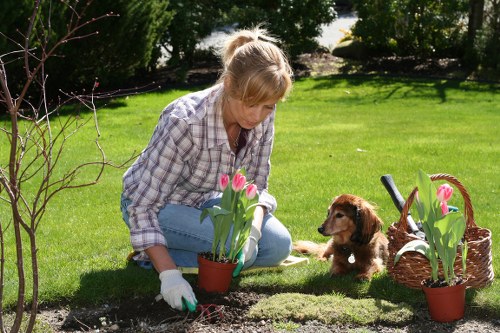 Manual handling is another important consideration. Many gardening tasks involve lifting soil bags, moving pots, carrying machinery, or handling waste materials. These activities should be planned to avoid unnecessary strain. Where loads are heavy or awkward, mechanical aids or team lifting should be used. Workers should be encouraged to use correct posture, avoid twisting, and take breaks when needed. Safe lifting is part of a broader commitment to garden safety management.
Personal protective equipment, or PPE, must be selected according to the task. Suitable gloves, sturdy footwear, eye protection, hearing protection, and weather-appropriate clothing may be required. PPE is not a substitute for safe methods, but it provides an additional layer of protection when risks cannot be fully removed. It must be worn correctly, kept clean, and replaced when worn or damaged.
Substances used in garden care, including fertilisers, herbicides, cleaning products, and fuels, must be stored and handled with care. Labels and instructions should always be followed, and containers must remain secure when not in use. Spills should be dealt with promptly to prevent slips or environmental harm. Workers should also be aware of allergic reactions, inhalation risks, and skin contact hazards. A garden maintenance safety policy must include safe storage and disposal practices.
Weather and seasonal conditions can significantly affect safe working arrangements. Heat, cold, rain, strong winds, and poor visibility all increase the chance of error or injury. In wet conditions, surfaces may become slippery, and in hot weather, dehydration or fatigue can reduce concentration. Work should be adjusted accordingly, with rest periods, hydration, and appropriate scheduling used to reduce risk. Safe gardening requires flexibility as well as planning.
 The health and safety arrangements for gardeners also include emergency preparedness. First aid supplies should be available, and workers should know how to respond to cuts, strains, falls, chemical exposure, or other incidents. Any accident, near miss, or unsafe condition must be reported and reviewed so that lessons can be learned. Recording incidents helps improve future decision-making and supports a stronger culture of safety.
Training and competence are fundamental to this policy. Workers must only carry out tasks for which they have been instructed and assessed as competent. This is especially important when using machinery, working at height, handling chemicals, or managing tree and shrub pruning. New workers should receive induction in safe systems of work, and refresher training should be provided when procedures change. A gardeners safety policy is effective only when it is understood and applied consistently.
Housekeeping is also a major factor in preventing incidents. Tools, offcuts, waste, and other materials should be stored or removed as work progresses. Pathways must remain clear, and cables or hoses should be positioned to avoid tripping hazards. Where public or shared access is possible, additional care must be taken to separate active work from surrounding areas. Clean, organised sites support both efficiency and safety.
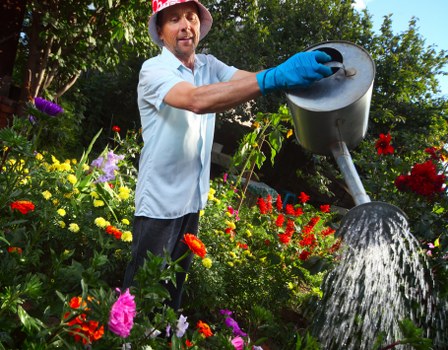 Management is responsible for reviewing this policy regularly to ensure it remains suitable and effective. Updates may be needed after an incident, a change in work methods, new equipment, or revised risk information. Workers should be consulted where appropriate so that practical improvements can be made. A well-managed garden health and safety policy reflects current risks, current practices, and the commitment to protect everyone involved.
Ultimately, this policy is designed to create a working environment where safe habits are normal, hazards are recognised early, and duties are completed with care. By combining planning, communication, training, and accountability, gardeners’ health and safety becomes part of everyday practice rather than a separate concern. That approach helps ensure consistent results, fewer incidents, and a safer experience for all.